
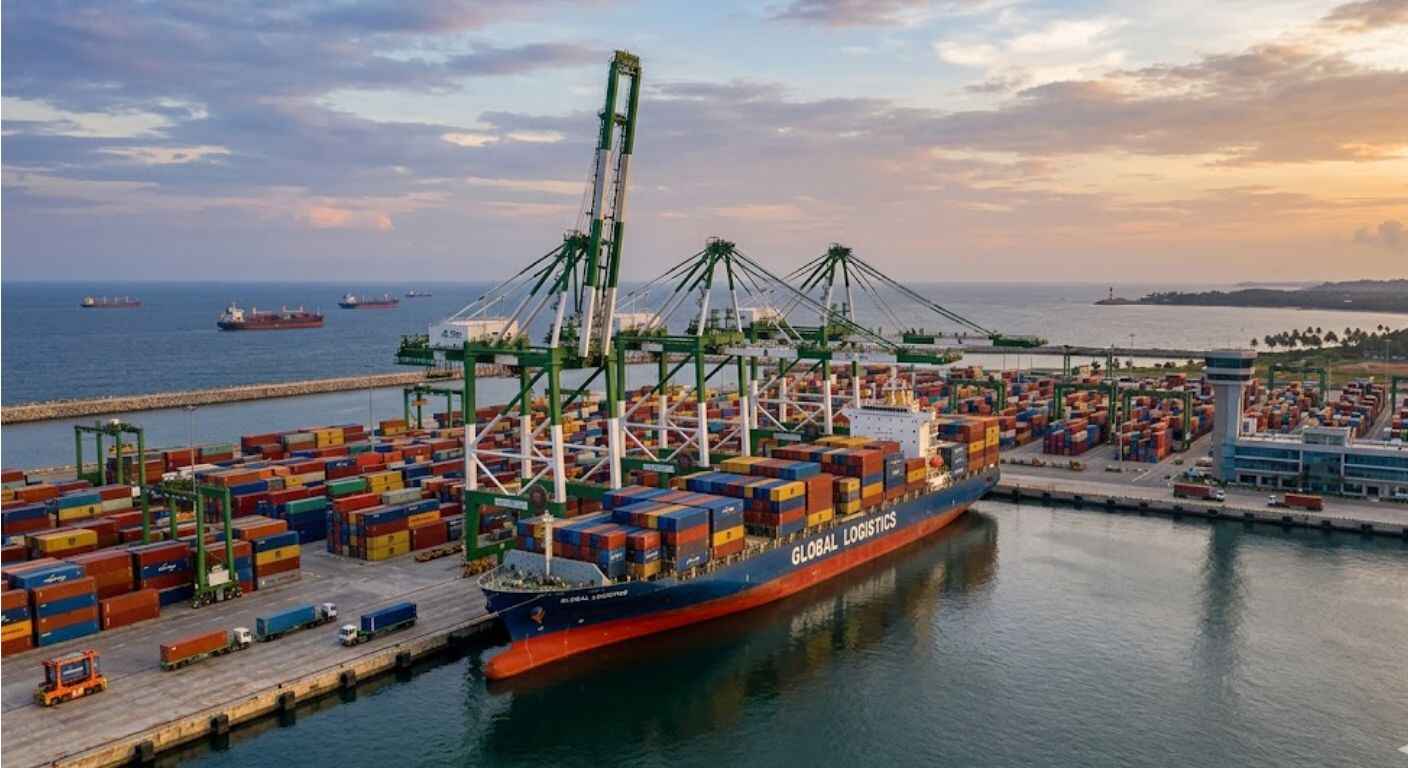
The ports of Kerala are not only important centers of trading in the region anymore but are getting increasingly important for the global sea trade as well. Due to the development of modern infrastructure and due to geographical location, facilities like the Vizhinjam International Seaport are affected by changes occurring on a global level in the sphere of sea shipping.
This tendency is especially evident in 2026 when the situation on the global political arena and global shipping routes is crucial for the functioning of ports located in Kerala.
Resources like Keralaport make sure that all professionals and companies have access to up-to-date information about new trends and opportunities in the area.
Kerala’s Strategic Location in Global Shipping
The major reason behind the susceptibility of ports in Kerala to external factors is that of their location.
For instance, Vizhinjam Port is situated at a distance of only 10 nautical miles away from an important global route for international ships traveling from Europe, the Middle East, and Asia.
This implies that:
- Shipping traffic moving between continents can easily reach Kerala Ports.
- It requires minimal deviation to berth at the port.
- Shorter waiting period for global cargo.
As a result, any problem faced by international shipping lanes, such as delays in the Middle East region or change in trade patterns, will directly affect Kerala Ports.
Rise of Transshipment Demand
Traditionally, a large portion of India’s cargo was handled by foreign ports like Colombo, Dubai, and Singapore.
Now, Kerala—especially Vizhinjam—is changing that.
- Designed as India’s first deep-water transshipment hub
- Capable of handling ultra-large container ships (ULCS)
- Expected to capture a major share of global container traffic
As global trade grows, so does the demand for:
- Faster cargo transfer
- Strategic mid-route ports
- Cost-efficient logistics hubs
This makes Kerala ports highly dependent on global trade volumes and shipping trends
Rapid Growth Driven by Global Demand
Kerala ports are not just reacting to global trends—they are growing because of them.
- Vizhinjam has already handled hundreds of ships and millions of containers even before full completion
- It recorded rapid cargo growth amid global shipping disruptions
- Expansion plans aim to increase capacity to 5.7 million TEUs by 2029
Global demand is accelerating local infrastructure development
Shift Towards Port-Led Economic Growth
Another major trend is the transformation of ports into economic ecosystems.
Kerala is actively investing in:
- Logistics parks
- Warehousing
- Rail connectivity
- Industrial zones
A ₹2,000 crore logistics master plan is already underway to support this transformation.
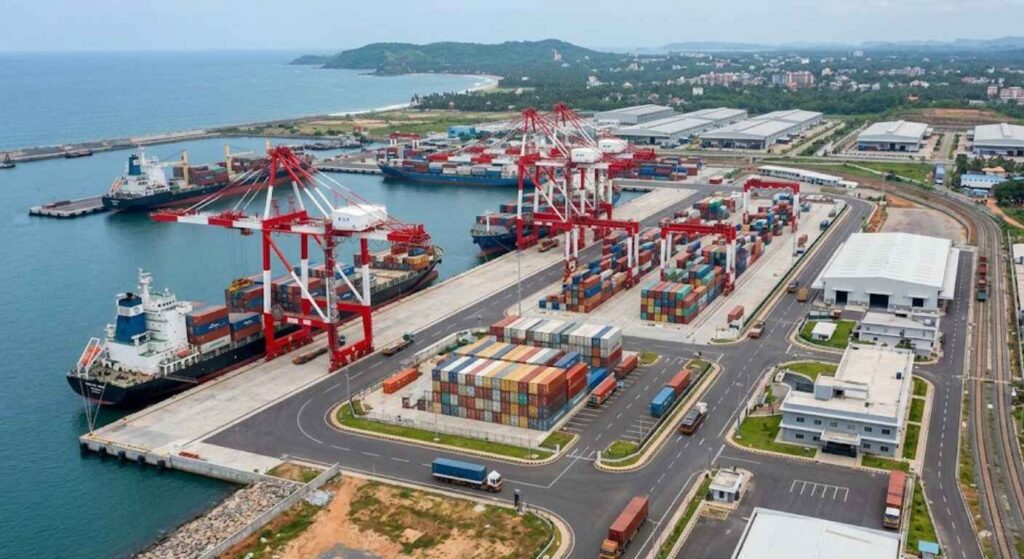
Competition in Global Maritime Trade
Kerala ports are also sensitive because they are competing globally.
Key competitors include:
- Colombo Port (Sri Lanka)
- Jebel Ali Port (Dubai)
- Singapore Port
These ports dominate global transshipment today.
To compete, Kerala must:
- Match global efficiency standards
- Reduce turnaround time
- Improve connectivity
Natural Advantages & Global Relevance
Kerala ports, especially Vizhinjam, have a unique advantage:
- Natural deep draft (~24 meters)
- Minimal dredging required
- Ability to handle the world’s largest vessels
This reduces operational costs and makes the port more attractive globally.
As shipping companies look for cost-effective solutions, Kerala becomes a preferred destination
Challenges from Global Trends
While global trends bring opportunities, they also create challenges:
1. Overcapacity Issues
- Sudden increase in global demand can overwhelm ports
- Vizhinjam recently handled more containers than its current capacity
2. Geopolitical Risks
- Wars and tensions disrupt shipping routes
- Ports must quickly adapt to changing traffic patterns
3. Environmental Concerns
- Oil spills and maritime accidents can impact coastal ecosystems
- Global shipping incidents can affect Kerala’s marine economy
Future Outlook: Kerala as a Global Maritime Hub
The future looks promising.
Kerala ports are expected to:
- Become a major global transshipment hub
- Reduce India’s dependence on foreign ports
- Drive economic growth through logistics and trade
With continuous investments and strategic planning, Kerala is positioning itself as a key player in global shipping networks
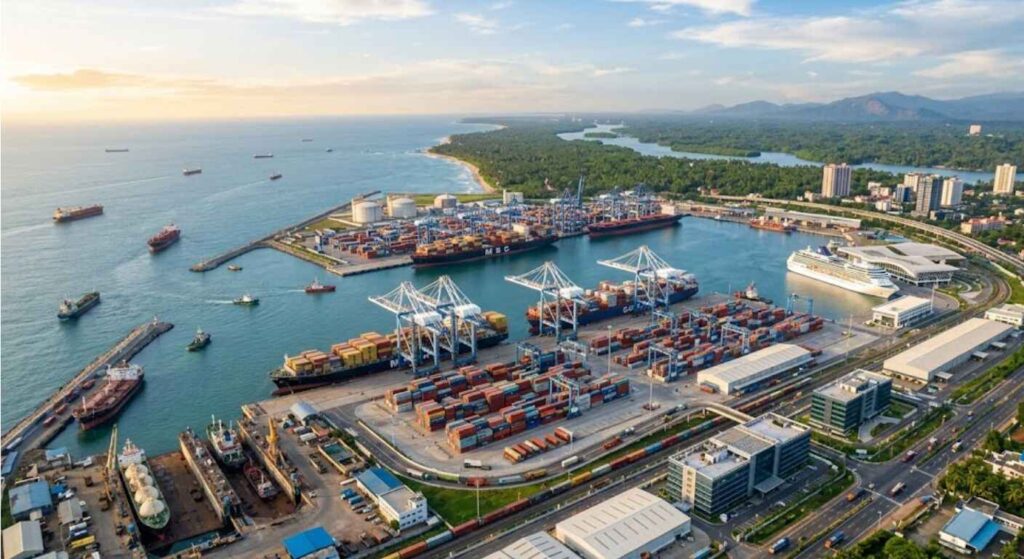
Why Staying Updated Matters
In such a dynamic environment, staying informed is crucial.
That’s where Keralaport comes in.
Keralaport helps you:
- Track the latest port developments
- Understand global shipping trends
- Identify business and investment opportunities
- Stay ahead in the logistics and maritime sector
Conclusion
The ports in Kerala are extremely vulnerable to any changes that take place within the global shipping market due to the deep integration of these ports with international shipping lanes and logistics networks.
From geopolitical issues to the growing need for cargo transportation, anything that takes place globally affects how these ports function and evolve.
Given the fast growth of Vizhinjam and the expansion of port-centered developments in Kerala, the state is not only adapting to but shaping global shipping patterns.Want to stay ahead in the maritime and logistics industry?
Follow Keralaport for real-time updates, expert insights, and the latest news on Kerala ports and global shipping trends.