
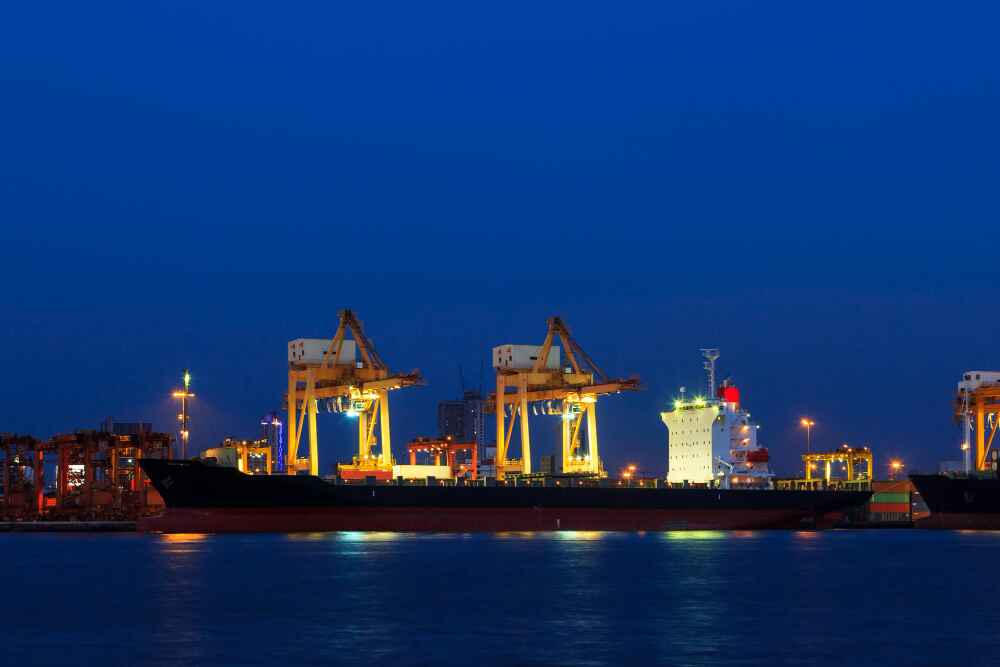
The Indian maritime sector is undergoing a paradigm shift that may alter the global trade pattern and make the country a major logistics hub. The latest news comes from Vizhinjam International Port, where government agencies and Indian Oil Corporation (IOC) have jointly decided to invest ₹2000 crore in port-related sectors. An MoU will be signed to initiate these planned investments to develop the port’s ecosystem and maritime services.
Follow Keralaports for the latest news, investment updates, infrastructure projects, and strategic developments shaping Kerala’s maritime and aviation future.
What Does the ₹2000 Crore Investment Include?
The ₹2000 crore investment plan is divided into three major sectors:
- Indian Oil Corporation (IOC) – ₹700 crore for the development of marine bunkering facilities and tank farms for refueling infrastructure at Vizhinjam.
- Container Corporation of India (CONCOR) – ₹600 crore for the development of container depots and cargo logistics infrastructure.
- Central Warehousing Corporation (CWC) – ₹700 crore for the development of warehousing and multimodal logistics parks in the vicinity of the port.
In short, this investment plan is not merely about deepwater berths; it is about building an entirely integrated logistics system where ships, cargo, warehouses, and road/rail connectivity function in perfect harmony.
Why Vizhinjam Port Matters to India’s Shipping Future
1. Strategic Proximity to International Shipping Lanes
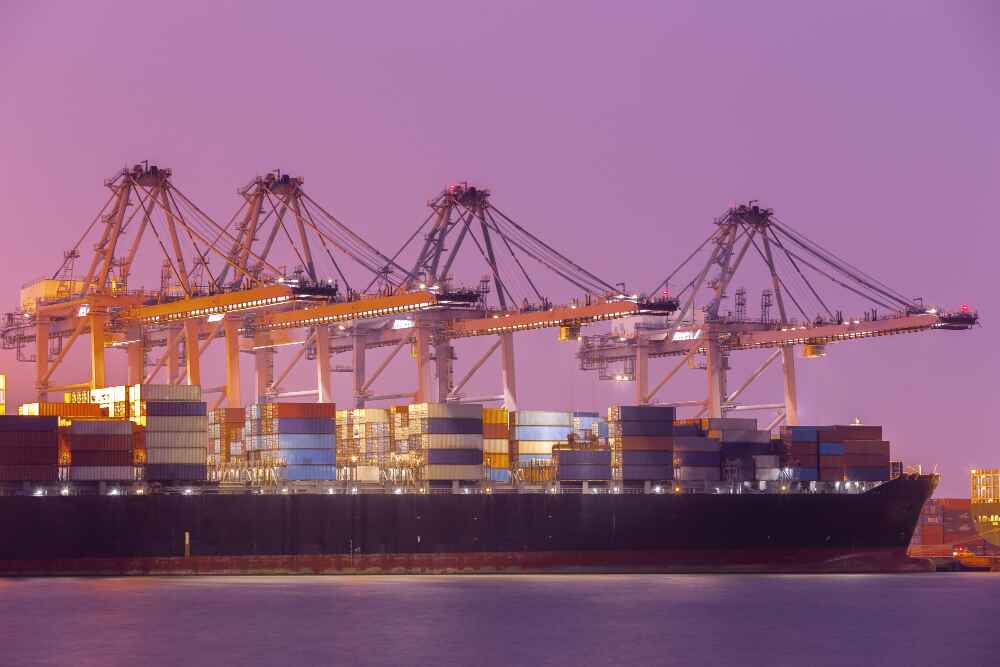
Vizhinjam is only about 10 nautical miles away from the international East-West shipping route, which gives it a natural edge over other Indian ports. The port’s deep draft of up to 20 meters without extensive dredging makes it possible for ultra-large container vessels (ULCVs) to dock at the port directly.
This is because:
- Turnaround times are shorter
- Costs of logistics are lower
- The port is more attractive to international shipping lines
In contrast to older ports that need feeder ships and transshipment at several points, Vizhinjam’s location gives it a natural edge as a transshipment hub for the Indian Ocean region.
2. Reduce India’s Dependence on Foreign Transshipment Ports
Historically, India has not had a large container transshipment point in the country, and as a result, the country has had to depend on foreign transshipment points such as Colombo, Singapore, and Jebel Ali for a substantial amount of its outgoing and incoming shipments.
This has resulted in India losing:
- Opportunities to earn valuable shipping revenue
- Control over the flow of strategic cargo
- Leverage in trade relationships within regional partnerships
With the improved infrastructure generated by the ₹2000 crore investment, Vizhinjam hopes to handle a greater share of the container transshipment business, retaining economic value within the country and helping Indian shipping.
3. Bunkering Hub with Real Value
Marine bunkering, or refueling ships at sea or in the harbor, is a major source of income for international shipping hubs. With IOC’s proposed investment of ₹700 crore, Vizhinjam is set to develop into a bunkering hub in the region with international-class fueling services.
This is important because:
- Vessels can be refueled without having to divert to other countries’ ports
- Marine fueling services enhance employment in the region
- Fuel income stabilizes port operations
Having a robust bunkering industry also leads to increased vessel calls.
Ongoing & Future Developments: Beyond ₹2000 Crore
The new investment is part of a much larger growth story.
Phase II Expansion & Long-Term Funding
Recently, Adani Ports & Special Economic Zone Ltd (APSEZ) committed a ₹16,000 crore investment under Phase II to expand the port’s capacity to handle up to 5.7 million TEUs by 2029.
This expansion includes:
- Longer berths and additional cranes
- Advanced handling equipment
- More efficient automation
- Expanded terminal facilities
Combined with the earlier phases, total development spending could surpass ₹30,000 crore, making Vizhinjam one of the largest port investments in India.
Infrastructure Connectivity: Rail & Road Integration
A port’s success isn’t only about water access—it needs land connectivity. Two recent developments amplify this fact:
1. Rail Tunnel to Improve Hinterland Connectivity
A 10 km rail tunnel project is nearing the execution phase to connect the port with Balaramapuram railway station, facilitating fast cargo evacuation inland and reducing road congestion.
2. Logistics Parks and Warehousing
Approval has been granted for major logistics parks around the port, with land allocated to CONCOR, CWC, and IOC for warehouses and services.
These developments will:
- Strengthen multimodal transport
- Shorten supply chain timelines
- Attract industrial investment
Economic & Employment Impact
Vizhinjam Port is not only about shipping—it’s about economic transformation.
Job Creation
Port operations, bunkering services, logistics, and warehouse management will create thousands of direct and indirect jobs for Kerala and neighbouring states.
Industrial Growth
With dedicated industrial parks and bonded logistics zones emerging around Vizhinjam, local manufacturing and export-oriented industries stand to benefit, stimulating local economies.
Export Competitiveness
By streamlining export logistics and reducing handling times, Vizhinjam will help Indian exporters become more competitive in global markets.
Navigating Challenges Ahead
While progress has been strong, some challenges remain:
- Continued investment in road and rail connectivity
- Community integration and environmental concerns
- Balancing regional economic benefits
Even with these hurdles, the trajectory of development suggests that Vizhinjam will not merely be a port, but a maritime hub with regional influence.

Conclusion: A Turning Point for India’s Maritime Future
The ₹2000 crore investment in port industries at Vizhinjam is a historic turning point in the quest for India to emerge as a maritime power. It enhances port infrastructure, develops new services such as bunkering and logistics parks, and paves the way for India to regain its rightful position in the global transshipment market.
For Keralaports readers, this report highlights the vast potential that kerala ports have today, especially when the best of investments and vision come together.
Vizhinjam is set to be one of the most important port stories of the coming decade—a gateway not only for Kerala but for India itself.